Baby Clothing Sizes: Why Nothing Fits When It Says It Should Review
Age on a label is a marketing convention, not a measurement, and it is the reason half the wardrobe is unworn. Buy by weight and height where the brand publishes them, buy ahead rather than exactly, and treat the first size as the one you will use least.
- Type
- Category guide — baby clothing sizes
- Core advice
- Buy by weight and height, size ahead, wash cool and dry low
Reasons to buy
- Buying by weight and height instead of age fixes most of the problem immediately
- Sizing ahead costs nothing and turns unworn clothes into worn ones
- The category is cheap to correct — most of the fix is knowing the trick
Reasons to avoid
- Age labels differ wildly between brands and between countries
- Gift-givers buy the smallest size, which is the one outgrown fastest
- Cotton shrinkage after drying can undo a size before it has been worn twice
- Growth is not linear, so no rule fits every child
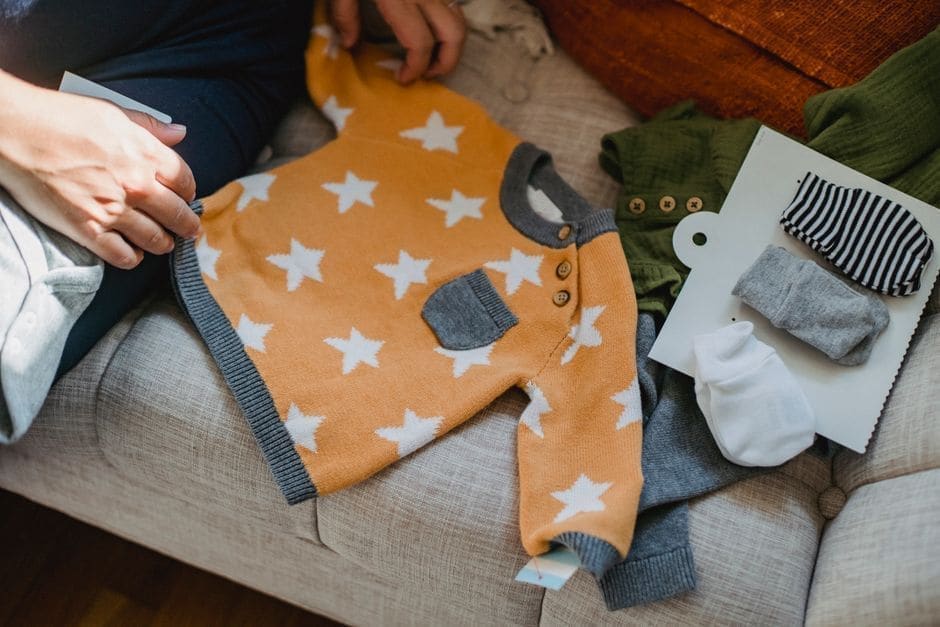
Open any drawer in any house with a new baby and you will find the same thing: a stack of unworn clothes with the tags on, almost all of them in the smallest sizes. It is tempting to read that as over-buying, and partly it is. But the larger cause is a labelling convention that pretends to be a measurement. A label reading three-to-six months describes a manufacturer's assumption about an average child, and babies are not average — the same label from two brands can be two genuinely different garments, and the same label from a European and an American brand can differ again.
The fix is to stop reading the age and start reading the numbers underneath it. Most brands publish a weight and height range for each size, usually tucked into a size guide rather than printed on the front, and those figures are the real specification. Knowing your child's current weight and height turns an unreliable guess into an ordinary purchase. It also makes brands comparable for the first time, which is why anyone who starts doing it never stops.
The second habit is to size ahead deliberately. Clothing bought to fit exactly today fits for a few weeks; clothing bought one step up gets worn for months, first with rolled sleeves and then properly. This costs nothing and is the single largest reduction in waste available in the category. It applies doubly to anything seasonal — a winter coat bought to fit in October is a coat that stops fitting in January, which is precisely when it is needed.
Then there is the gift problem, which no amount of personal discipline solves. Newborn sizes are what people buy, because tiny clothes are irresistible and because a gift for a baby who has not arrived yet defaults to the smallest option. The result is a drawer full of the size a child spends the least time in — some babies skip it entirely. If you have any influence over what arrives, point it upward: ask for six months and twelve months, and let the newborn drawer fill itself, which it will.
Laundry quietly undoes sizing too, and this is where good clothes are lost fastest. Cotton shrinks with heat, and a hot wash followed by a hot dryer can take a garment down most of a size before it has been worn twice. Washing cool and drying low — or hanging where you can — keeps a size a size. It is also the difference between a set that survives to a second child and one that comes out of the machine stiff, faded and a little smaller each time.
One last observation that makes the whole category easier to think about. Growth is not steady; it comes in bursts, and a child can pass through a size in a fortnight and then sit in the next one for half a year. That means no rule works perfectly, and it means the right response to a stack of outgrown clothes is not guilt but a system: buy less in each size than instinct suggests, buy ahead rather than exactly, keep the receipts for anything that has not been worn, and pass the rest on quickly while it still has life in it. The used market that saves you money on the way in is the same one that clears the drawer on the way out.
How we tested
The Baby Clothing Sizes: Why Nothing Fits When It Says It Should was scored against the same written rubric we apply to every Clothing & Sleepwear product — real-world performance, build quality, ease of use, upkeep and value. Full protocol on our How We Test page.