Baby Food Makers: The Appliance to Skip Review
A steamer bolted to a small blender, sold for a feeding stage that is over almost as soon as it begins. A regular blender, a pot and a fork already do everything this appliance does — and they'll still be useful next year, which the baby food maker will not.
- Category
- Combination steam-and-blend baby food appliances
- Our position
- Skip it — existing kitchen tools cover the job
Reasons to buy
- One-vessel workflow is tidy if you batch-cook purées weekly
- Compact steam-blend combo suits kitchens with no blender at all
Reasons to avoid
- Duplicates equipment nearly every kitchen already owns
- The purée stage it serves is brief — some families skip purées entirely
- Small capacity means more rounds for real batch cooking
- Multiple parts and crevices to clean after every use
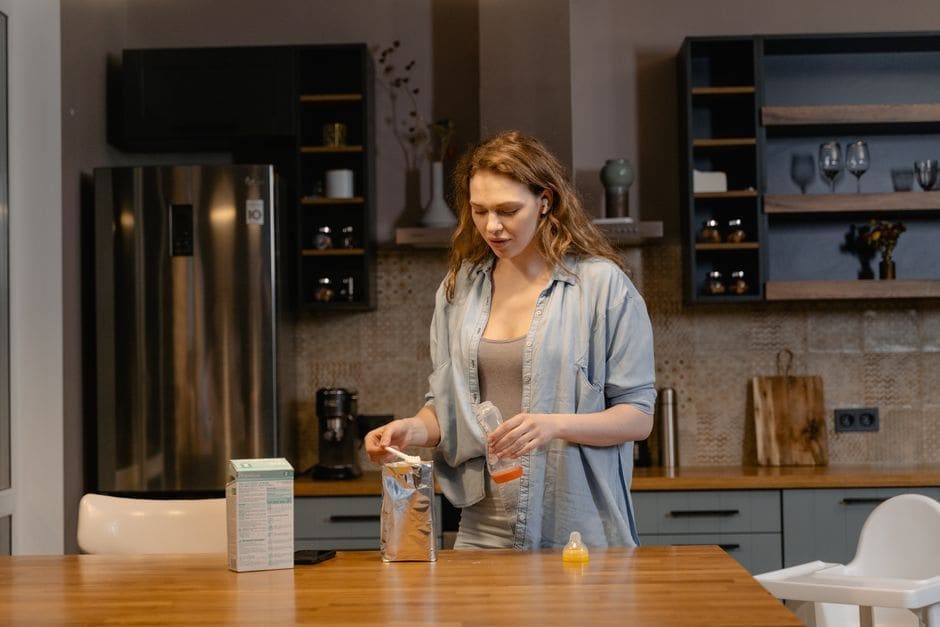
Somewhere between the registry checklist and the parenting aisle, the baby food maker became a default purchase — a dedicated countertop appliance that steams vegetables and purées them in the same chamber. The pitch is homemade baby food without effort, and to be fair, the machine does technically deliver on it. The problem is that your kitchen already did, before this appliance was invented.
Run the comparison honestly. A steaming basket over a pot, plus the blender you own, plus a fork for soft foods like banana and avocado, covers the entire job with more capacity and less specialized cleaning. The appliance's one-vessel convenience is real but small, and it comes with the classic combo-gadget tax: a chamber, blade, basket and lid to disassemble and scrub after each use, and a footprint on the counter for a machine with exactly one trick. Meanwhile the stage it serves is strikingly short — purées are a bridge, not a destination, and families who lean toward baby-led weaning may serve soft finger foods and barely purée at all.
There is a deeper reason this appliance keeps getting bought, and it has little to do with cooking. It arrives at the moment new parents most want to feel they are doing the thing properly — the first solid food is a milestone, and a dedicated machine on the counter looks like commitment made visible. That instinct is entirely reasonable and the industry knows it. But feeding a baby well is not a hardware problem. A steamed carrot mashed with a fork is the same food the machine produces, made by the same person, for the same child.
If you do want the batch-cooking ritual, the equipment that actually earns counter space is cheaper and outlives the stage. Silicone freezer trays with lids turn a Sunday afternoon of cooking into a month of portions, and they carry on being useful for stock, sauces and herbs long after purées are a memory. A basic steamer basket costs almost nothing and folds into a drawer. Between them you have the whole workflow the appliance sells, without the chamber, the blade assembly and the lid that all have to be taken apart and dried after every use.
One practical note that applies whichever route you take: purée in slightly larger batches than feels sensible, and freeze in small portions rather than large ones. Babies at this stage eat startlingly little and reject things unpredictably, so the loss you are protecting against is not running out — it is thawing more than gets eaten. Small portions also let you combine flavours later without cooking again, which is where home-made food genuinely beats the pouches.
The exception worth naming: if you genuinely have no blender and like the idea of a weekly batch-cooking ritual in one small vessel, the appliance isn't useless — it's just redundant for almost everyone else. Our advice is the boring kind: make the first purées with the equipment you already own, and if you find yourself genuinely wishing for a dedicated machine after a few weeks of real use, buy it then with a clear conscience. Almost nobody does.
How we tested
The Baby Food Makers: The Appliance to Skip was scored against the same written rubric we apply to every Nursery & Feeding product — real-world performance, build quality, ease of use, upkeep and value. Full protocol on our How We Test page.