
Fat Brain Toys (Educational Toy Retailer) Review
A family-built toy retailer that actually curates instead of listing everything, with a house line of original toys that earns its shelf space. The age and development filters are genuinely useful, the gift experience is excellent, and the trade is paying full retail at a specialist instead of chasing marketplace discounts.
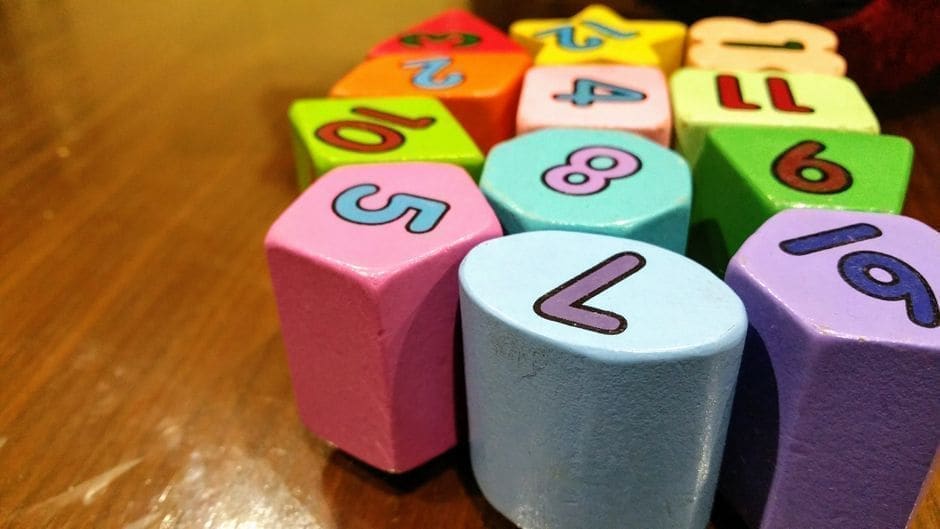
- Type
- Specialty toy retailer with house brand
- Origin
- Family-founded, Nebraska-based
- Strength
- Developmental curation and gifting
Reasons to buy
- Curation with a point of view — developmental value over licensed noise
- House-brand originals like Dimpl and Squigz are inventive, durable and widely loved
- Filters by age and developmental stage make gift-buying fast
- A dedicated section for children with special needs — rare and well executed
Reasons to avoid
- Prices sit at full specialist retail; discounts are occasional, not structural
- Catalog is a curated shortlist, not a marketplace — breadth has limits
- House line has occasional misses alongside the hits
- Shipping economics favor consolidated orders over single small toys
Toy shopping online defaults to an endless scroll of licensed plastic ranked by advertising spend, and somewhere in that scroll most parents give up and buy whatever has the most reviews. Fat Brain Toys is the opposite proposition: a family-founded Nebraska retailer that treats the catalog as an editorial product, stocking toys chosen for how children actually play and learn rather than for whatever a cartoon studio happens to be promoting this season.
The curation shows up in the tools. You can shop by age band and by developmental angle — fine motor, problem solving, sensory play — and the listings explain why a toy earns its place, which turns gift-buying for a niece you see twice a year from guesswork into a short, confident errand. The written descriptions are unusually honest for retail copy: they'll tell you a toy suits a patient child, or that it's loud, which is information the marketplace listings never volunteer. The special-needs section deserves its own mention: it is organized by need rather than tacked on as an afterthought, and it makes the store a genuinely useful resource for families who are poorly served by mainstream toy retail and tired of adapting products never designed with their child in mind.
Then there is the house brand, which is where the store stops being just a shop. Fat Brain's own line — Dimpl, Squigz, Tobbles and their relatives — are original designs rather than rebrands, built around simple satisfying mechanics that hold up to rough toddler use. They have become baby-gift canon for a reason, and the best of them get played with long after flashier toys go quiet in the bin.
The case against is the specialist's usual one. Prices are full retail, and the same house-brand items sometimes surface cheaper elsewhere during sale events, which stings if you notice after the fact. The catalog is a shortlist by design, so if you're hunting a specific mass-market item your child saw in an ad, this isn't the place and doesn't pretend to be. And not every house-line experiment lands — the hits are famous, the misses are quietly discontinued, and a gift picked purely from the newest releases carries slightly more risk than one picked from the established names.
One thing the age filters can't do for you, and it is worth knowing before you lean on them: the age on a toy box is a safety label first and a suitability label second. It tells you when small parts stop being a choking risk, not when a particular child will find something interesting. Children skew in both directions — a patient three-year-old will happily work at something labelled for five, and a busy five-year-old may want the simpler mechanic. Use the age band as a floor for safety and the developmental filters for the actual choice, which is precisely the split this store's tools are built for.
As a default gift source and a sanity-preserving alternative to the marketplace scroll, it's one of the easiest recommendations in the baby space. Shop it for the curation rather than the price, lean on the age filters, start with the proven house-brand names when gifting blind, and consolidate orders so the shipping math works in your favor. The store's whole premise is that someone with taste already did the research — pay for that, and it delivers.
How we tested
The Fat Brain Toys (Educational Toy Retailer) was scored against the same written rubric we apply to every Toys & Learning product — real-world performance, build quality, ease of use, upkeep and value. Full protocol on our How We Test page.